Built-In Materials That Withstand Heat and Humidity in Thailand
04 Mar 2026
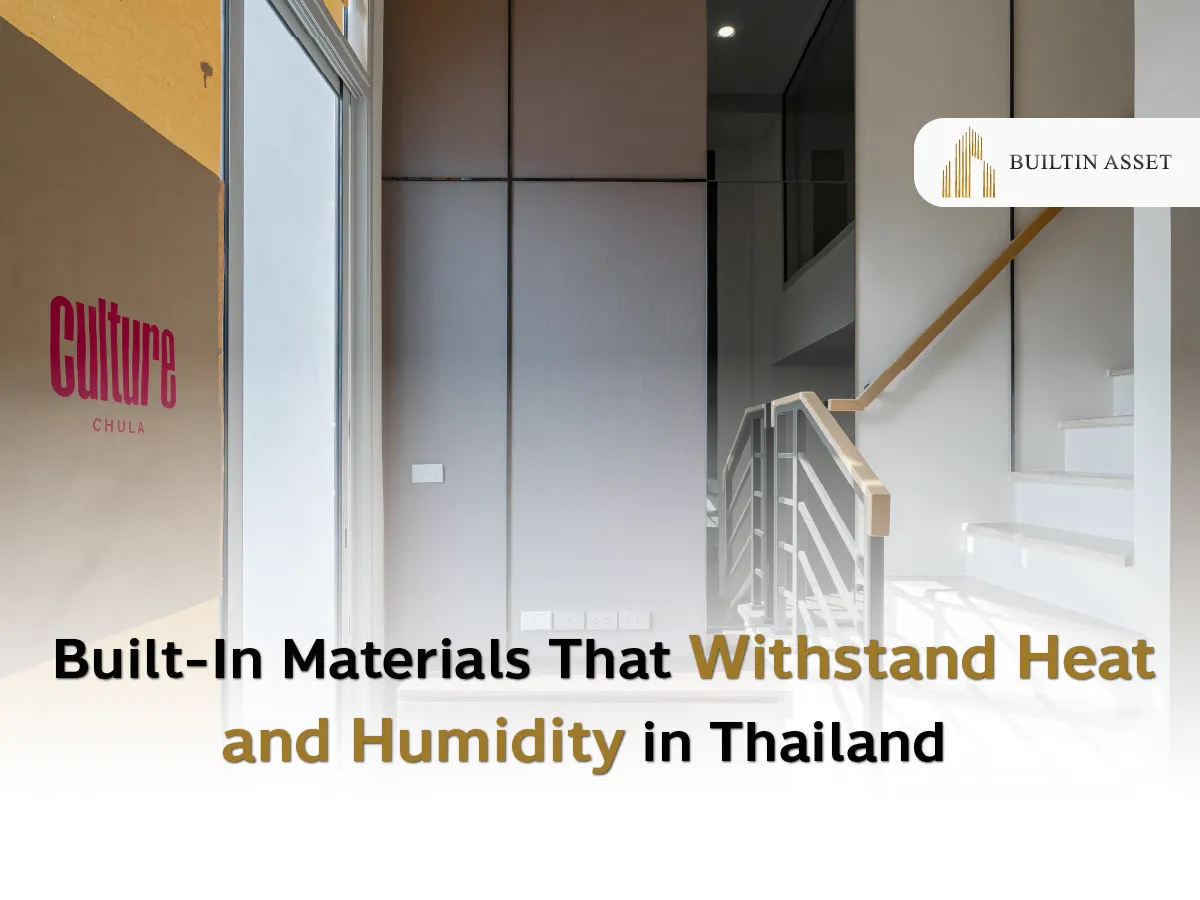
Built-In Materials That Withstand Heat and Humidity in Thailand Thailand’s tropical climate high humidity and year-round heat can damage built-in furniture if the wrong materials are used. Swelling, mold growth, and warping are common issues. Choosing the right materials ensures durability, safety, and long-term value. Here are the best materials suited for Thailand’s climate. 1️⃣ Moisture-Resistant MDF Moisture-resistant MDF is suitable for interior built-ins exposed to moderate humidity, such as kitchen cabinets and bathroom vanities. Benefits: Smooth surface for paint finishes Cost-effective Ideal for modern designs 2️⃣ HMR (High Moisture Resistance Board) HMR boards offer superior moisture resistance compared to regular MDF. Best for: Kitchens Laundry areas High-humidity condos Advantages: Reduced water absorption Less swelling Strong internal structure 3️⃣ Exterior-Grade Plywood A strong and durable option for structural support and heavy-duty storage. Suitable for: Large cabinets Shelving units Long-term installations 4️⃣ Aluminum Structure with Laminate Panels For extremely humid zones, aluminum frameworks reduce moisture damage and prevent mold growth. Ideal for: Under-sink cabinets Semi-outdoor spaces Commercial interiors 5️⃣ High-Pressure Laminate (HPL) High-quality laminate surfaces enhance heat resistance and scratch durability. Common uses: Cabinet doors Counter surfaces Commercial built-ins Conclusion In Thailand, built-in furniture must be designed for both aesthetics and climate durability. Material selection directly impacts lifespan and long-term maintenance costs. Builtin Asset carefully selects materials to ensure every project withstands Thailand’s tropical conditions.